In its peculiar beauty and in the concept of conduction, copper has always turned toward both science and art. Thus due to thermal and reflective properties of copper, manual operations actually never came into providing precision. Laser cutting technology is one step in this evolution that must have revolutionized the trade of copper fabrication.
This guide, in the first place, is an in-depth exploration of the laser cutting art and the special properties that copper presents to industries working down the finer details with efficiency, creativity, and efficacy. Look into both technological and practical opportunities and see how industry sectors have reformed with fined copper cuts made possible through laser technology.
Introduction to Laser Cutting

Laser Cutting and Its Importance in Modern Industries
The big picture is that laser cutting can do all sorts of work across all industrial sectors with precision, speed, and manufacturing versatility. It basically just directs a high-energy focused laser onto materials to achieve intricate designs in exact detail.
Market Statistics: Reports have it that the global laser cutting market was worth $4.2 billion in 2022 and is going to follow an upward trend at 9.3% CAGR during the period between 2023 and 2030 as laser cutting increasingly comes to find its application in manufacturing and production processes.
It also assisted in the maturing of industries since it could cut almost anything, including metal, plastic, wood, and even cloth. Laser cutting is used by manufacturing industries such as food processing, automotive, aerospace, construction, chemical, and electronics for machining clean edges with minimal waste and time.
Industry Applications:
- Automotive Industry: Used to produce precision parts for lightweight and fuel-efficient vehicles.
- Electronics Manufacturing: Cutting required small and detailed parts for devices such as smartphones and computers.
- Aerospace: Cutting is required to create parts with very tight tolerances and precision
- Construction: For architectural metalwork and structural components
Overview of Laser Cutting Techniques
Laser cutting measures take the advantage of an extremely focused beam of very high-powered laser light to inscribe cutting traces through any chosen material or finish. Originally conceived, the technology has undergone significant evolution, resulting in new inventions that serve a wide range of industrial needs.
Types of Laser Cutting Techniques
| Laser Type | Best Materials | Key Characteristics | Applications |
|---|---|---|---|
| CO2 Laser Cutting | Wood, acrylic, glass, textiles | Energized by CO2, nitrogen, and helium gas mixture | Engraving and cutting complicated design patterns |
| Fiber Laser Cutting | Stainless steel, aluminum, brass | Solid-state laser with higher power output and speed | Industrial metal cutting with minimal maintenance |
| Nd:YAG Laser Cutting | Gold, silver, reflective metals | High power density and great precision | Spot-welding, drilling, precision cutting |
Key Data and Advancements
- Market Growth: Envisioned SWOT for pricing refers to laser cut machinery at $15.6 billion in 2030 and with the market growing along the CAGR of 5.2% between 2022 and 2030.
- Speed Capabilities: The latest fiber laser cutting systems expect to slice materials thin in sheet metals at 400 inches per minute (ipm).
- Precision: Small laser cutters would be too precise within ±0.001 inches.
- Energy Efficiency: The efficiencies of the fiber laser systems are about 30% more than those of older CO2 models.
Why Copper is Difficult to Cut

Copper has a high regard in market owing to its thermal and electrical conductive properties, thus making it very vital in electronics, construction, and energy sectors. However, the cutting and machining of copper is very difficult due to these very properties.
Key Challenges in Copper Cutting:
High Thermal Conductivity
Having a very high thermal conductivity, the direction of heat transfer during laser cutting into copper surface is very fast. This heat transfer is what causes the material to fail to become hot enough to facilitate efficient cutting, resulting in uneven edges, slow cutting speed, and more energy consumption.
Reflective Properties
The reflective nature of copper becomes most troubling at visible and near-infrared wavelengths. With these wavelengths, traditional CO2 and fiber lasers face the great difficulty that most of the laser energy is reflected off instead of being absorbed, cutting down greatly on the efficiency of the cut and also risking damage to the laser equipment.
Modern Solutions
Developments in laser technology employing high-power green lasers have set the pace in the excellence of copper cutting operations. A considerable absorption of the green-wavelength laser by copper assures a stream deviation towards enhanced cutting capacity owing to marked changes in operating parameters.
Performance Improvements: Compared with the conventional methods, the green laser has managed to reduce reflection of energy by an estimated 30% while increasing cut rates by a margin of 20% to 40%, depending on the thickness of the material.
Understanding the Science Behind Laser Cutting Copper
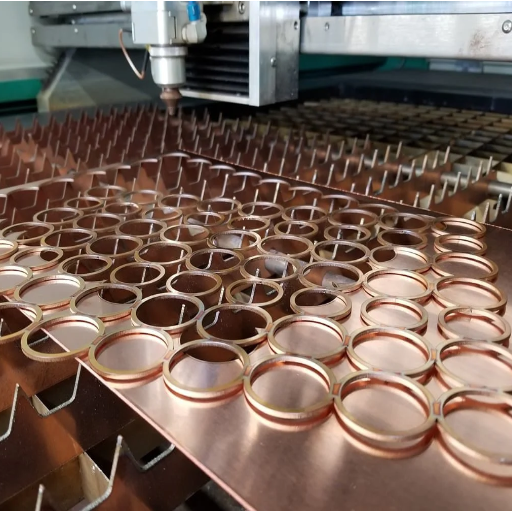
How Do Lasers Work to Cut Copper
The very intense heat produced by the laser is generated by concentrating light onto the material surface. For copper, with its high reflectivity and thermal conductivity, technologies of huge sophistication need to be exploited to have the processing carried out practically.
Process Overview:
- Beam Generation: Nowadays fiber or green lasers are preferred because metals like copper absorb these wavelengths better
- Heat Application: The laser applies intense heat to melt or vaporize the copper material
- Material Removal: Assist gases like nitrogen or air purge edges and molten material
- Precision Control: Advanced systems maintain focus and power delivery at a steady level
Performance Data: Green laser of 532 nm wavelength helped absorption of copper over conventional infrared lasers. Fiber lasers can almost speed up about 30% more compared to CO2 lasers while consuming far less energy. A 1 kW fiber laser can cut 1 mm copper sheets at 10-15 mm/s speed.
How Reflective Properties of Copper Pose Challenges
Since copper reflects more than 95% of laser light at infrared wavelengths, like those from CO2 and fiber lasers, there is little laser energy absorbed by the metal, thus reducing the efficiency of the cutting operation.
Solutions to Reflectivity Issues:
| Laser Type | Wavelength | Copper Absorption Rate | Improvement Over IR |
|---|---|---|---|
| Traditional IR Lasers | 1064 nm | 5% | Baseline |
| Green Lasers | 515 nm | 40-50% | 30% speed increase |
| Blue Diode Lasers | 450 nm | 65% | Highest absorption rate |
Key Factors Influencing the Cutting Process
Critical Parameters for Success:
- Material Properties: Thermal conductivity and reflectivity greatly determine cutting success
- Laser Type/Wavelength: Green lasers (515-540 nm) have a 40% better absorption rate by copper than infrared. Choices of assist gases: Oxygen speeds up the process, and nitrogen gets clean cuts without oxidizing.
- Coating and Pre-Treatment: Anti-reflective coatings might double absorption values
- Cutting Speed and Power Settings: Low speeds help cut quality when working with thicker sheets
- Environmental Conditions: Humidity, temperature, and surface cleanliness have their effect on the results
Types of Lasers for Cutting Copper

Fiber Lasers: Reality and Applications
The heat conductivity to the tau atom is good in copper. Heat caused by the removal of material is conducted away from the cutting zone very quickly, therefore ensuring some advanced heat dissipation strategies.
Advantages of Fiber Lasers:
- High Precision and Speed: Thin copper sheets can be cut speedily-about three times faster than CO2 lasers.
- Energy Efficiency: More than 30% conversion as compared to 10-15% of CO2 lasers.
- Low Maintenance: Considered a solid-state type, thus eliminating mirrors and gas mediums.
- Reflective Metal Compatibility: Can work with copper without back-reflection damage.
- Compact Design: Modular in design to save on floor space.
Applications of Fiber Laser:
- Electronics: Cutting copper PCB with micrometer precision
- Automotive: EV battery components and electrical systems
- Aerospace: Light thermal management components
Market Growth: The global fiber laser market is expected to grow from $3.2 billion in 2023 to $5.8 billion in 2028, with heavy demand coming from metal processing applications.
CO2 Lasers: Pros and Cons in Copper Cutting
| Advantages | Disadvantages |
|---|---|
|
|
Comparing Fiber and CO2 Lasers for Copper Cutting
| Factor | Fiber Lasers | CO2 Lasers |
|---|---|---|
| Energy Efficiency | 30-40% wall-plug efficiency | 10-20% wall-plug efficiency |
| Cutting Speed | 2-3x faster for thin copper | Competitive for thick materials |
| Maintenance | Minimal – solid-state design | High – mirrors, lenses, gas supplies |
| Precision | Superior beam quality | Good for thick sections |
| Operating Costs | Lower long-term costs | Higher due to maintenance |
Common Challenges of Cutting Copper with Lasers
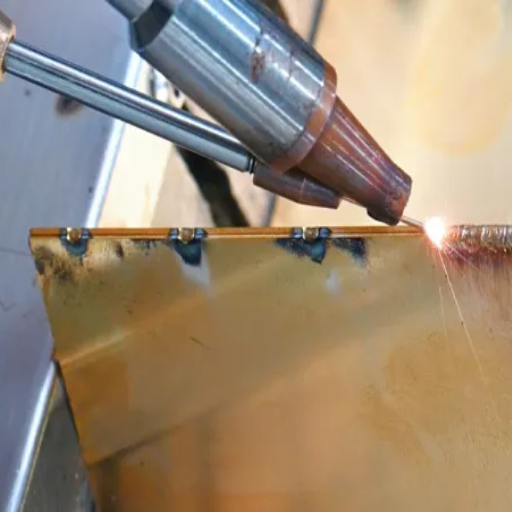
Heat Management Issues
Copper’s high thermal conductivity dissipates the energy away from the cutting zone quickly, thus making it complicated to manage the heat correctly.
Advanced Solutions:
- Beam Wobbling: Laser oscillation provides even heat distribution
- Gas-Assist Techniques: Oxygen or nitrogen help remove heat and debris
- Power Requirements: Industrial settings need 2-6 kW for variable copper thicknesses
- Cooling Systems: Proper coolant systems prevent thermal stress and warping
The Reflectivity Factor and Its Effect on Cutting Efficiency
With copper reflectivities exceeding 95% at 1 micron wavelength, energy absorption becomes a critical challenge requiring innovative solutions.
Technological Solutions:
- Alternative Wavelengths: Green (515 nm) and blue (450 nm) lasers increase absorption
- Ultra-Short Pulse Lasers: Overcome reflectivity through rapid pulse duration
- Anti-Reflective Coatings: Applied to laser optics for system protection
- Active Back-Reflection Isolators: Prevent damage from reflected beams
Handling a Variety of Material Thicknesses
| Thickness Range | Recommended Laser Power | Cutting Speed | Key Considerations |
|---|---|---|---|
| Thin (<4mm) | 2 kW | Fast cutting | Low power to prevent heat distortion |
| Medium (4-10mm) | 4-6 kW | Moderate speed | Balance power and speed for quality |
| Thick (>10mm) | 6-12 kW | Slower speeds | High power for full penetration |
Practical Tips for Optimizing Laser Cutting of Copper

Setting Optimization for Precision
Essential Parameter Guidelines:
2023 Research Findings:
A 1,000-watt fiber laser at 1.5 m/min cutting speed is optimal for 1-2 mm copper sheets, providing clean edges with minimal dross. Nitrogen assist gas at 8 bars pressure is ideal for thicknesses up to 3 mm.
Critical settings:
- Wavelength selection: Fiber lasers at the 1-micrometer region for an optimum absorption by copper
- Power settings: Between 500W and 1000W for thin sheets and above 2000W for thick materials
- Cutting speed: Slower speeds result in better cutting and edge finishing
- Focus alignment: Properly aligned with the surface; slightly defocus to improve the edge finish
- Lens specification: Use smaller lenses for thin sheets of less than 1 mm and adjust the setup for thicker materials
Assist Gases to Improve Cutting Quality
| Gas Type | Pressure Range | Best Applications | Benefits |
|---|---|---|---|
| Nitrogen | 10-15 bars | Non-ferrous metals, copper, aluminum | Prevents oxidation, shiny edges, reduced dross |
| Oxygen | 6 bars | Steel cutting | 25% speed increase through exothermic reaction |
| Air | 5-8 bars | Acrylics, plastics | Cost-effective for acceptable quality cuts |
Choosing the Correct Equipment for Copper Cutting
Equipment Recommendations:
- Fiber Laser Power:
- 1-2 kW for thin copper sheets
- 2-4 kW for thick sheets (6mm+)
- Beam Delivery: Advanced beam shaping systems to reduce edge burning
- Assist Gas Setup: Nitrogen at 10-12 bars pressure for clean, burr-free cuts
- Control Systems: Real-time monitoring and adaptive controls to prevent back-reflection damage
Applications of Laser-Cut Copper
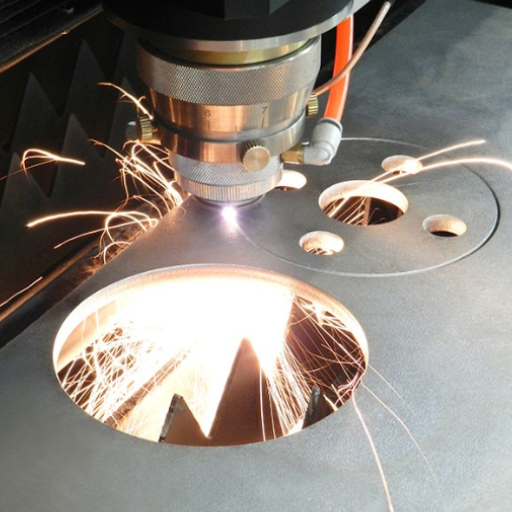
Laser-Cut Copper in Electronics Manufacturing
Copper’s excellent electrical conductivity and thermal properties make it crucial for electronics manufacturing, where laser cutting has revolutionized component precision and detail.
Key Applications:
- Printed Circuit Boards (PCBs): High-accuracy copper layer profiling for complex designs
- Electrical Connectors: Precision components for optimal conductivity
- Busbars: Critical components for automotive, aerospace, and telecommunications
- Renewable Energy: Solar panels and energy storage system components
Impact on Laser-Cut Copper in Automobiles
The automotive industry, particularly electric vehicle manufacturing, has become a major consumer of laser-cut copper components.
EV Market Growth:
According to the IEA, global EV sales increased to more than 10 million units in 2022, creating big demand for precision copper components, which found use in batteries, inverters, and electric motors.
Automotive Applications:
- Battery Components: Precision parts for EV battery systems
- Thermal Management: Heat exchangers and cooling systems
- Electrical Systems: Wiring harnesses and connection components
- Lightweight Design: Thin copper layers (0.1mm) for weight reduction
Industrial Manufacturing Use of Laser-Cut Copper Parts
Industrial Benefits:
- Waste Reduction: 30% less material waste compared with traditional machining
- Speed Enhancement: Fiber laser cutting is considered to be 50% faster
- Energy Efficiency: Increased electrical conductivity in renewable energy applications
- Precision Manufacturing: Ensured cut dimensions to exact standards for safety and performance
Market-Growth Drivers:
- Battery Market: 19% CAGR, 2023-2030
- Electronic Miniaturization: Beyond Small and High Performant Components
- Renewable Energy: Solar Cells and Wind Turbines
- Sustainable Manufacturing: For environmental consciousness in production efficiency
Frequently Asked Questions
How does the copper laser cutting process work?
This process is applied to precise cuts on copper sheet metal, with a high power laser beam being focused. Laser energy is used in this process to cut copper materials with minimum waste and clean edges. It uses CNC technology for repeatability and accuracy; however, copper has a very high reflectivity, thereby necessitating setting modifications on the laser to prevent its damage.
How does fiber laser cutting bring about an improvement in the whole copper processing?
Making a huge difference in copper processing with its preciseness and efficiency is fiber laser cutting. Since the beam is smaller, it ensures high-quality cuts with less kerfs, thereby making it an excellent choice for thin copper sheets being cut under a high heat that might cause some degree of warpage or oxidation. The fiber laser also provides faster turnaround times and decreases operational costs while maintaining high fabrication standards for the varying thicknesses of copper.
What are the advantages of using laser cutting to cut copper?
Comparing to other ways of cutting such as plasma or water jet cutting, the laser cutting offers several advantages:
- Better precision with clean edges and very few burrs
- More energy-efficient to run, and faster
- Capable of intricate designs that require a lot of detail
- Copes well with copper that conducts heat and electricity
- Less production time and operational cost.
What are the other copper cutting techniques?
Besides laser cutting, some other processes are listed here:
- Plasma Cutting: Spits out a high-temperature plasma, great for thick stuff, less for precision
- Water Jet Cutting: Extreme pressure from water, usually with abrasives, generates no heat, good for sensitive material
- Traditional Machining: Mechanical cutting method for qualified applications
What are things to remember when cutting copper sheet metal?
Several critical points or factors must be considered to ensure the best production:
- Reflectivity Management: Needs careful laser setting calibrations
- Beam Quality and Power application should never vary with the materials that needed cutting for that aspiration towards good cuts.
- End Uses: Should the use need certain finishing qualities or tolerances? The kind of cuts undertaken will have to match it.
- Equipment: Laser specification can be drawn up with the assistance of matching the requirements of the material
Ready to Optimize Your Copper Cutting Process?
Reach out to our laser cutting experts today, discussing your very own copper fabrication needs and discovering just how advanced laser technology can enhance your manufacturing capabilities.
Reference Sources
-
Experimental Techniques to Cut and Weld Copper by Laser – A Review
This paper reviews experimental techniques for cutting and welding copper sheets using CO2 and Nd-YAG lasers.
Link to source -
Cutting Copper Sheets Using CO2 Lasers
This study explores the feasibility and techniques for cutting copper sheets with CO2 laser sources.
Link to source -
Laser Cutting Technique: A Literature Review
This comprehensive review discusses laser cutting technologies, including their application to materials like copper and aluminum.
Link to source -
Numerical and Experimental Study of High-Speed Laser Cutting of Copper Current Collectors
This research focuses on optimizing laser cutting processes for copper current collectors, analyzing quality and process parameters.
Link to source -
Laser Cutting Technologies and Corresponding Pollution Control Strategy
This paper examines laser cutting technologies, including CO2, fiber, and YAG lasers, and their applications for materials like copper.
Link to source